Purchasing industrial pipe is more complicated than simply finding a supplier and requesting a price. The wrong pipe specification, fitting, material grade, or delivery schedule can lead to costly delays, rejected materials, and problems during installation. For contractors, engineers, procurement teams, and industrial buyers, asking the right questions before placing an order can help ensure the materials meet project requirements and arrive when they are needed.
When purchasing hot-dipped galvanized pipe and piping products, here are several important questions to ask your supplier before completing your order.
1. Is the Pipe Available in the Required Specification?
The first question should always be whether the supplier has the exact product required for the project. Industrial pipe can vary significantly by size, wall thickness, material grade, connection type, and pressure requirements.
Ask your supplier about:
- Nominal pipe size
- Pipe schedule or wall thickness
- Material grade
- End configuration
- Required pressure rating
- Galvanizing requirements
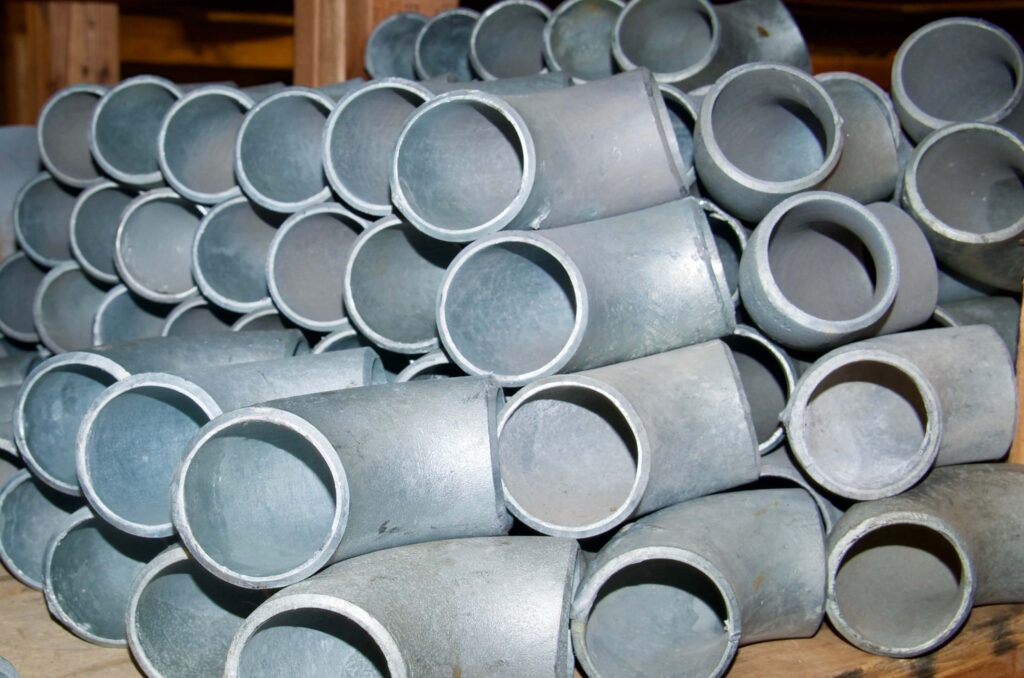
Tubespec supplies hot-dipped galvanized pipe products in a variety of specifications, including seamless pipe nipples available in STD, XH, S160, and XXH.
2. What Material Grade Is Required?
Different industrial applications require different steel grades. Before ordering, confirm that the material meets the engineering specifications for your project.
Depending on the application, industrial piping products may be manufactured from materials such as A106 Grade B, A105, A105N, A234 WPB, A333 Grade 6, and other specified grades.
Ordering the wrong material can result in rejected products and expensive replacement orders.
3. What Type of Fitting or Connection Do I Need?
Industrial piping systems use many different connection methods. Your supplier should be able to provide the correct product based on the system design.
Common options include:
- Threaded connections
- Socket weld connections
- Butt-weld connections
- Plain ends
- Beveled ends
- Grooved ends
Understanding the required connection before ordering helps prevent compatibility problems during installation.
4. Does the Product Meet the Required Industry Standards?
Industrial projects frequently have specific engineering, purchasing, and compliance requirements. Ask your supplier whether the products meet the applicable ASTM, ASME, ANSI, or project-specific standards.
This is particularly important for applications involving high pressure, elevated temperatures, corrosive environments, or critical infrastructure.
5. Can You Provide Material Documentation?
Documentation can be just as important as the pipe itself. Depending on the project, customers may need documentation demonstrating that the material meets specified requirements.
Ask whether the supplier can provide:
- Material Test Reports (MTRs)
- Galvanizing certifications
- Certificates of Compliance
- Safety Data Sheets (MSDS), when applicable
Tubespec can provide MTRs, galvanizing certifications, MSDS sheets, and Certificates of Compliance upon request.
6. Is the Material Actually in Stock?
A competitive price doesn’t help if the material isn’t available when your project needs it.
Before placing an order, ask:
“Is this material currently in inventory, and when can it ship?”
Inventory availability can have a major impact on project schedules. Waiting for manufacturing or replenishment can result in construction delays, additional labor expenses, and increased transportation costs.
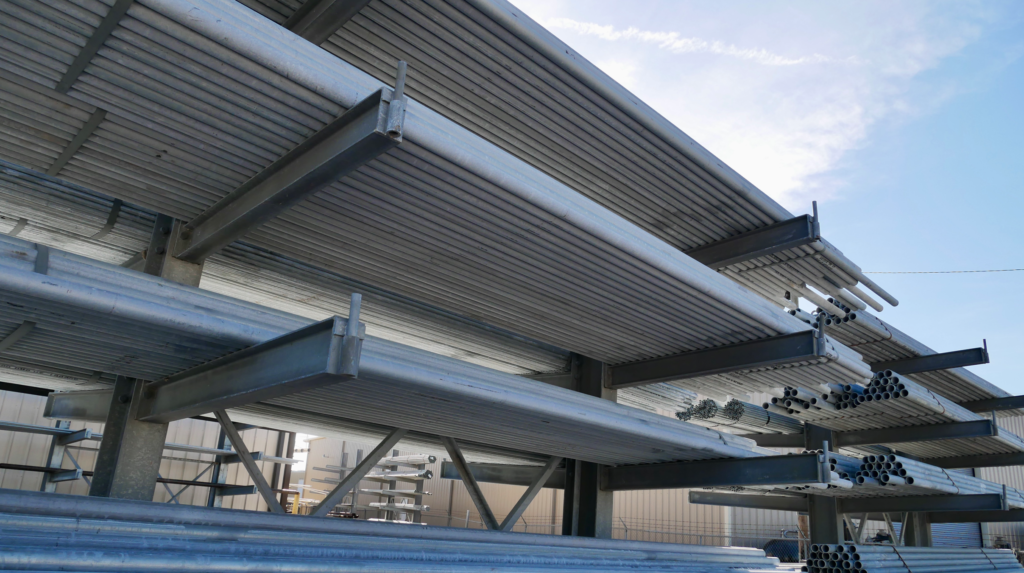
Tubespec maintains a large and varied inventory of hot-dipped galvanized pipe and fittings, allowing many orders to ship quickly and helping customers keep their projects moving.
7. How Will the Material Be Shipped?
Shipping requirements should be discussed before placing the order. Ask about available transportation options, estimated transit times, and whether the supplier can ship directly to your jobsite or customer’s location.
As a nationwide master distributor, Tubespec works with wholesalers and customers throughout the continental United States and can ship products directly to customers.
8. Can the Supplier Handle the Entire Order?
Working with multiple suppliers can complicate procurement, particularly when a project requires numerous types of piping components.
Ask whether your distributor can supply multiple products from one source, including:
- Galvanized pipe nipples
- Forged steel fittings
- Weld fittings and reducers
- Flanges
- Swages
- O-Lets
- Plugs and bushings
A supplier with a broad inventory can simplify purchasing and reduce the number of vendors involved in a project.
9. Does the Supplier Have Experience With Industrial Applications?
Industrial piping requirements can be highly specific. An experienced distributor understands that purchasing pipe isn’t simply about finding the lowest price—it is about matching the correct material to the project’s requirements.
A knowledgeable distributor can help customers identify specifications, documentation, availability, and shipping requirements before an order is placed.
Choosing the Right Industrial Pipe Supplier
The right questions can help prevent costly procurement mistakes. Before purchasing industrial pipe, make sure you understand the product specifications, material grade, connection type, documentation requirements, inventory availability, and shipping timeline.
Tubespec has been serving the industrial pipe industry since 1989 and operates as a nationwide master distributor specializing in hot-dipped galvanized pipe and piping products. With extensive inventory, industry experience, competitive pricing, and direct shipping capabilities, Tubespec helps customers get the materials they need for their projects.